1. Introduction
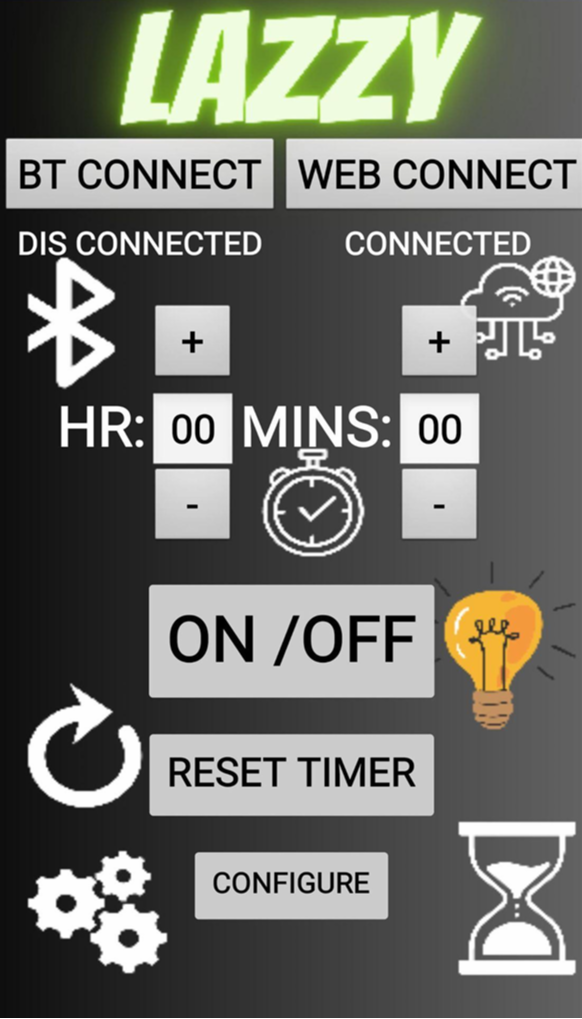
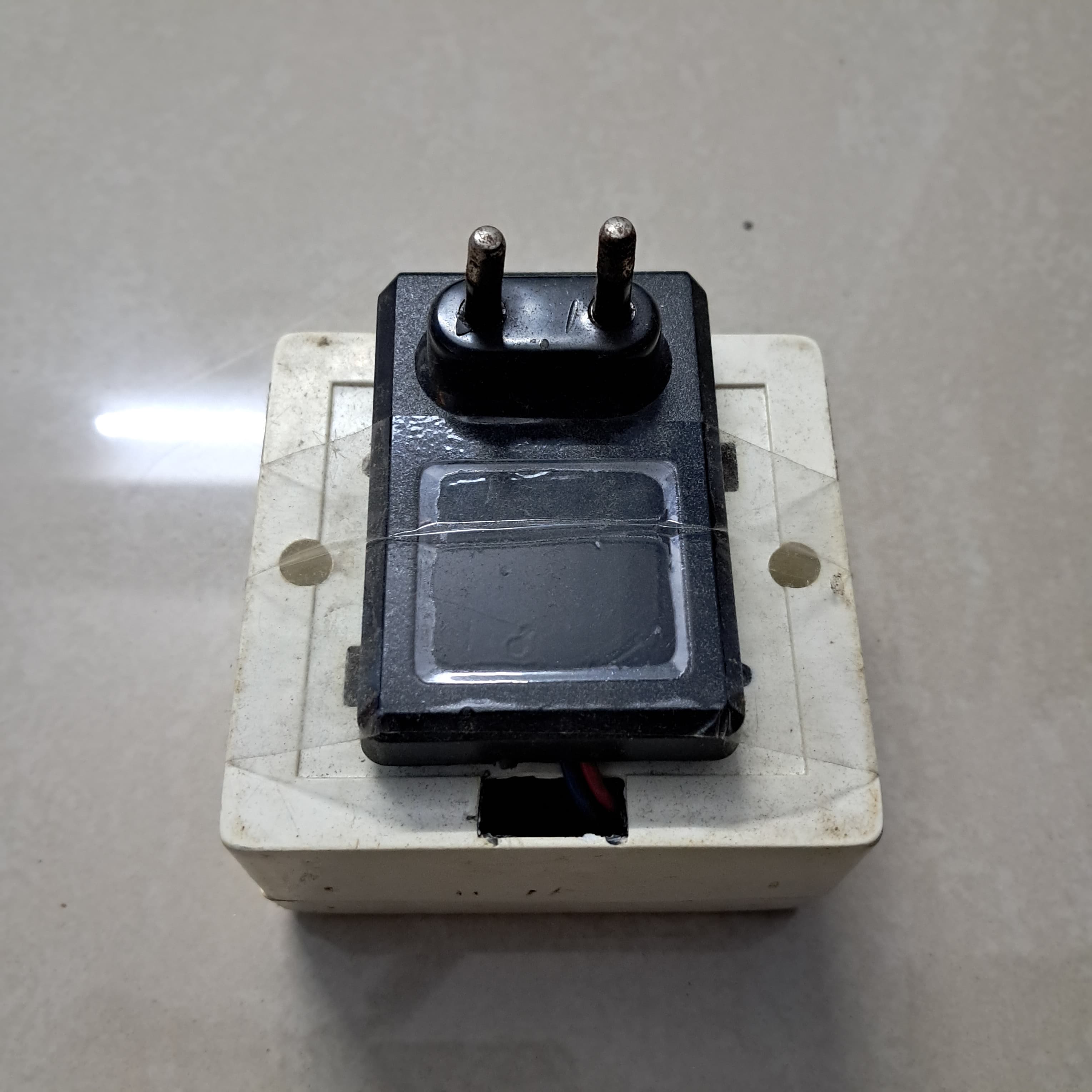
The Lazzy Smart Plug is a user-friendly device that allows remote control of appliances via the "Lazzy"
smartphone app using Wi-Fi and Bluetooth connectivity.
2. Objectives
- Design a smart plug with an ESP32 microcontroller.
- Develop the Lazzy app for Bluetooth and Wi-Fi control.
- Enable remote control and scheduling of appliances.
- Ensure security for worldwide access.
3. Components Required
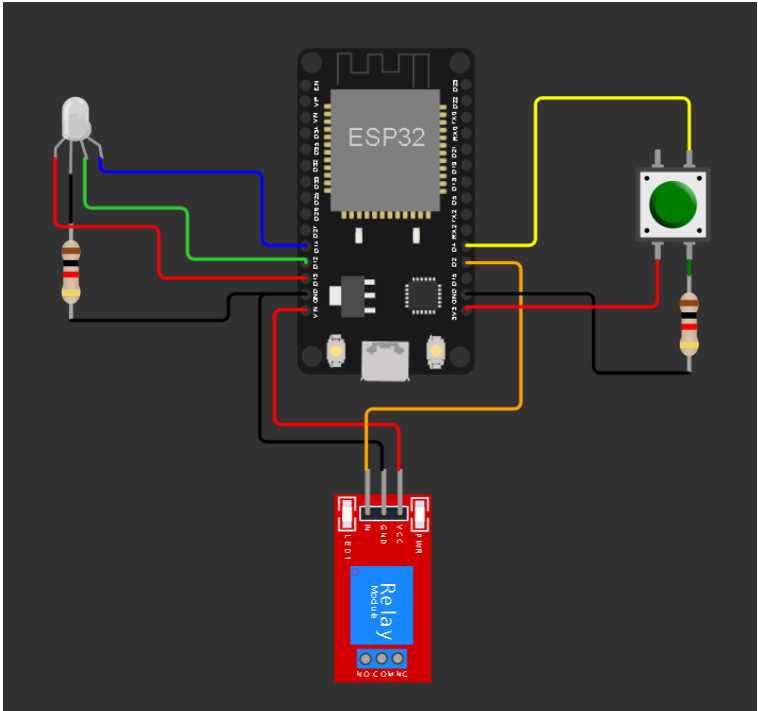
- ESP32 Microcontroller
- 5V Relay Module
- 220V AC to 5V DC Power Supply
- RGB LED
- Pushbutton
- Wires
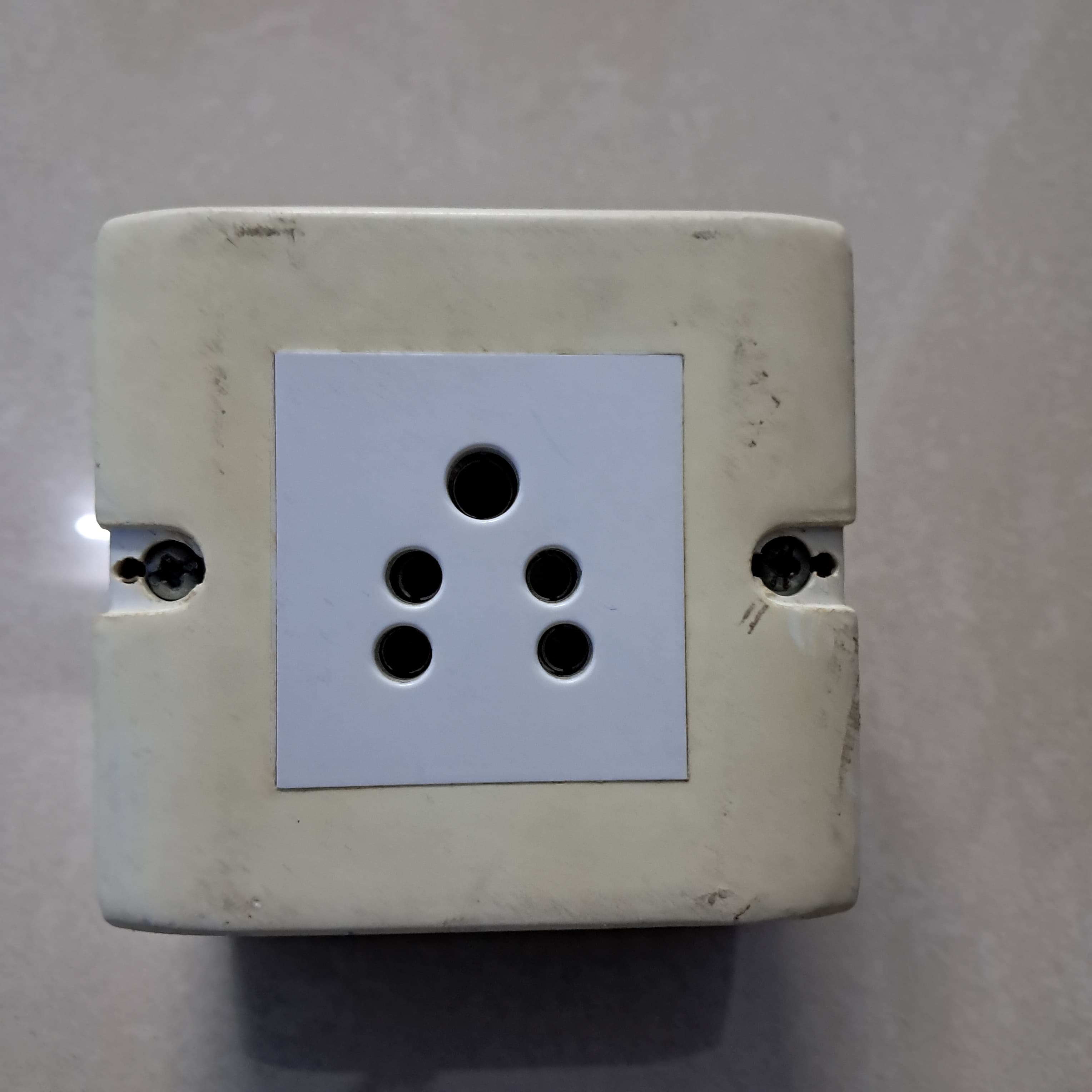
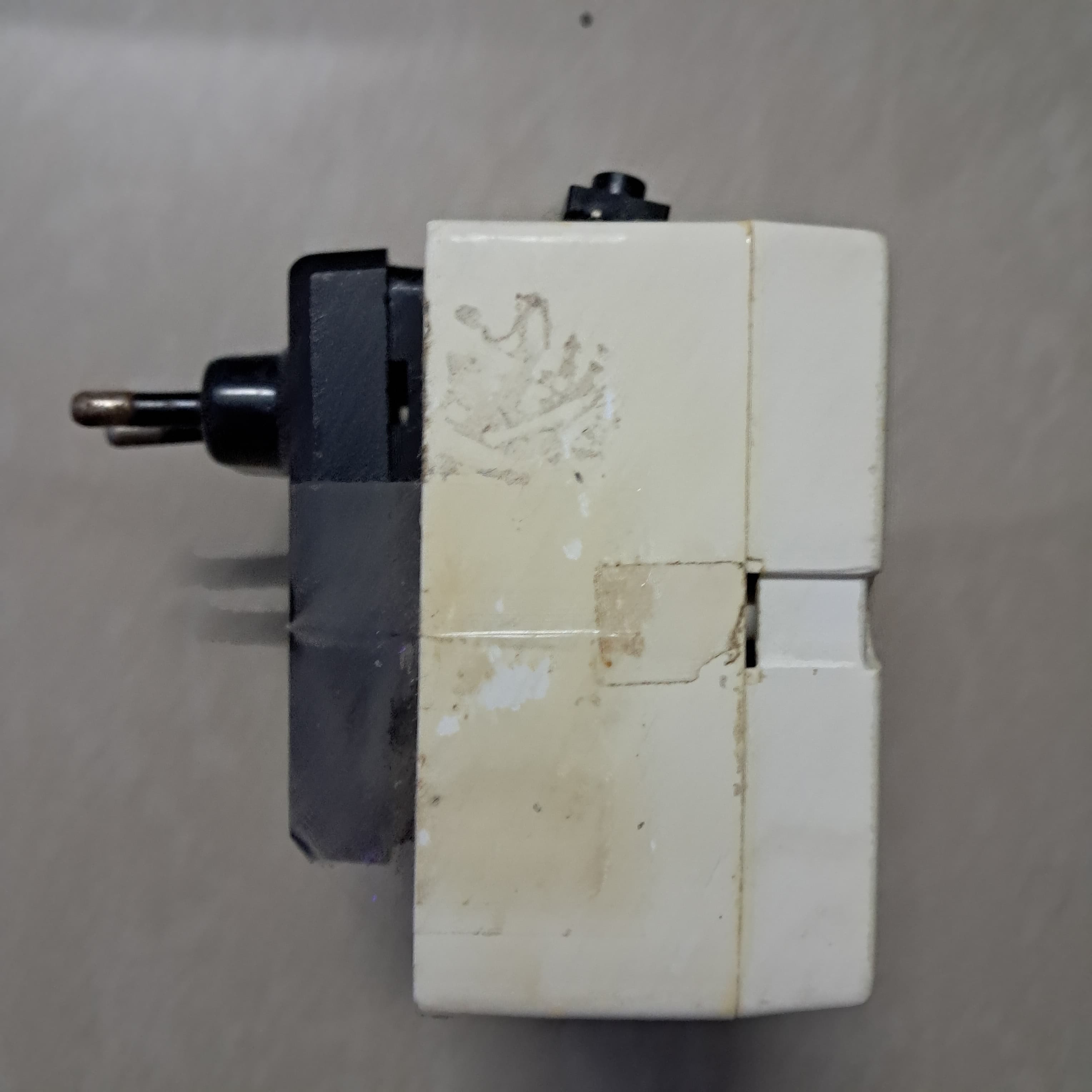
- AC Plug and Enclosure
- Smartphone for App Control
4. Working Principle
- Bluetooth Control: Users connect their smartphones to the plug via Bluetooth using the Lazzy app to
control it with ON/OFF commands and set timers.
- Wi-Fi Connectivity: For remote access, the plug connects to the user’s home Wi-Fi, using MQTT (Message
Queuing Telemetry Transport) for data communication.
- Timer Functionality: The app allows users to set timers for automated control of the plug.
- Pushbutton Control: The physical pushbutton offers manual control; a long press puts it in configuration
mode.
5. Implementation
- Assemble the circuit as per the diagram.
- Program the ESP32 for Bluetooth, Wi-Fi, relay control, and user interaction.
- Develop the Lazzy app using a tool like MIT App Inventor.
- Pair the smartphone with the Lazzy Smart Plug via Bluetooth for control.
- Configure Wi-Fi by entering the SSID, password, and credentials.
- Test remote control and timer features.
- Verify that the pushbutton enables manual control and configuration.
- Ensure security measures are in place for worldwide control.
6. Results and Observations
The Lazzy Smart Plug successfully allows users to control appliances via Bluetooth and Wi-Fi. The timer
function adds convenience, and worldwide control enhances its utility.
7. Conclusion
The Lazzy Smart Plug project demonstrates the integration of an ESP32 microcontroller with Bluetooth, Wi-Fi,
and a dedicated smartphone app to create a versatile and secure smart plug. It offers a convenient and
energy-efficient solution for remote control and automation.
8. Future Improvements
- Voice control integration with Amazon Alexa or Google Assistant.
- Energy consumption monitoring and reporting.
- Integration with smart home ecosystems (e.g., Apple HomeKit).
- Enhanced security features, like two-factor authentication.
- Compatibility with a wider range of appliances and socket types.